
Carpet mold is a silent invader that can compromise both your home’s cleanliness and your health. Often undetected until it becomes a serious issue, mold thrives in damp, humid conditions, making carpets an ideal breeding ground. If you suspect mold in your carpets, it’s essential to act fast. In this guide, we’ll uncover the signs of hidden mold, the dangers it poses, and expert strategies to eliminate it effectively.
Signs of Mold in Your Carpet
Mold isn’t always visible, but certain signs can indicate its presence:
- Musty Odor: A persistent, damp smell is a common sign of mold growth. If your carpet emits a foul, musty scent even after cleaning, mold could be lurking underneath.
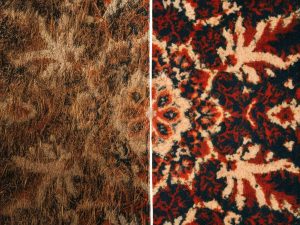
- Discoloration: Green, black, or white patches on your carpet suggest mold colonies. These patches may start small but can spread rapidly if left untreated.
- Allergy Symptoms: Increased sneezing, coughing, runny nose, itchy eyes, and congestion may indicate mold exposure. Prolonged exposure can even lead to more severe respiratory issues.
- Dampness: If your carpet remains damp for extended periods, it’s at risk for mold development. Leaky pipes, spills, or high humidity can create the perfect conditions for mold to thrive.
Why Mold in Carpets is Dangerous
Ignoring mold in your carpet can lead to severe health and structural problems:
- Respiratory Issues: Mold spores can trigger asthma, allergies, and respiratory infections. Individuals with weakened immune systems or pre-existing conditions are particularly vulnerable.
- Weakened Carpet Fibers: Mold breaks down carpet materials, leading to deterioration and expensive replacements. Over time, mold-damaged carpets can become brittle and lose their original texture and color.
- Unpleasant Odors: A moldy carpet can create a persistent, musty smell throughout your home. This odor can spread to furniture and clothing, making your living space uncomfortable.
- Toxic Mold Exposure: Certain types of mold, such as black mold (Stachybotrys), can produce mycotoxins that may cause serious health issues, including headaches, fatigue, and skin irritation.
Expert Mold Removal Techniques
If you discover mold in your carpet, professional cleaners use these proven methods to eliminate it:
1. Deep Steam Cleaning
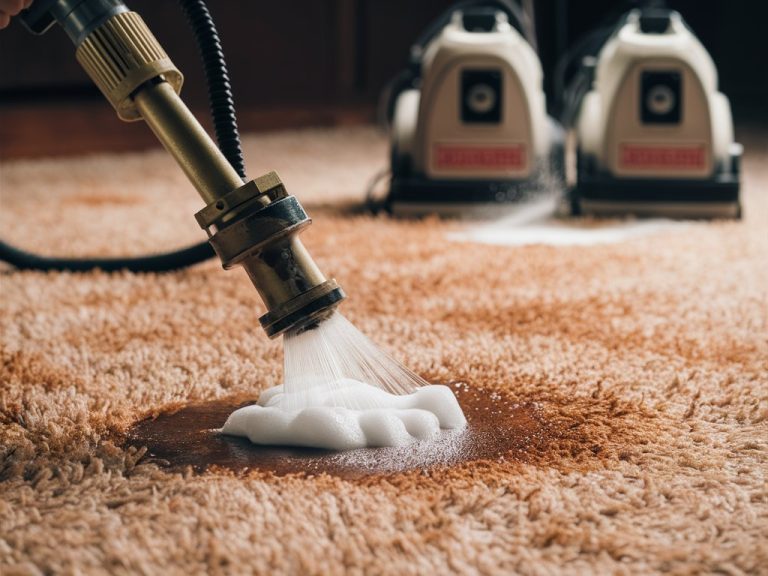
High-temperature steam penetrates deep into carpet fibers, killing mold spores and bacteria. This method also helps loosen and remove deeply embedded dirt and debris. Professional-grade steam cleaners are more effective than consumer models, ensuring thorough sanitation.
2. Antifungal and Mold Treatment Solutions
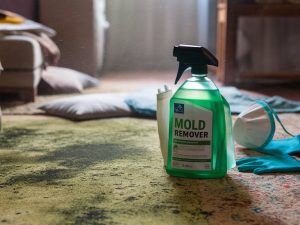
Professionals apply specialized antifungal sprays that not only kill existing mold but also prevent future growth. These treatments are safe for carpets and non-toxic for households. Some solutions also contain deodorizers to eliminate lingering mold odors.
3. High-Powered Vacuuming with HEPA Filters
A HEPA-filter vacuum captures fine mold spores, preventing them from spreading into the air. This method is essential for eliminating airborne contaminants that can settle on other surfaces and lead to recurring mold growth.
4. Drying with Air Movers and Dehumidifiers
Moisture is mold’s best friend. Experts use industrial-grade air movers and dehumidifiers to speed up carpet drying and prevent mold from returning. Proper airflow and ventilation are crucial in stopping mold before it becomes a persistent problem.
5. Carpet Replacement (If Necessary)
If mold infestation is severe, replacing the carpet may be the best option. Professionals assess the extent of damage and recommend whether deep cleaning or replacement is more effective. In extreme cases, subflooring may also need treatment to prevent future mold growth.
Preventing Mold Growth in Carpets
Avoid mold problems in the future with these preventive steps:
- Control Humidity Levels: Use dehumidifiers to maintain indoor humidity below 60%. High humidity encourages mold growth, especially in basements and bathrooms.
- Promptly Dry Spills: Clean and dry any liquid spills immediately to prevent moisture buildup. Use absorbent towels and fans to ensure the carpet dries completely.
- Improve Ventilation: Ensure proper air circulation by using fans, opening windows, and running air conditioning units. Regular airflow helps prevent moisture accumulation.
- Use Carpet Protectants: Apply mold-resistant treatments to carpets in high-risk areas such as basements, kitchens, and bathrooms. These treatments create a protective barrier that repels moisture.
- Regular Carpet Maintenance: Vacuum frequently using a HEPA-filter vacuum to remove dust, dirt, and potential mold spores. Schedule professional carpet cleaning at least once a year for deep sanitation.
Final Thoughts
Mold in carpets can pose serious risks to your home and health. By recognizing the signs early and using expert removal techniques, you can ensure a clean and mold-free living space. If you suspect mold, don’t wait—take action today to protect your carpets and indoor air quality.
For professional carpet mold removal services, reach out to experts in your area who use advanced cleaning technology to restore your carpets to their best condition.
SEO Title: Is Mold Hiding in Your Carpet? How to Remove It Fast!
SEO Meta Description: Learn how to detect and remove mold from carpets fast. Discover expert cleaning methods to keep your home mold-free and healthy!