Water damage can quickly ruin a rug, leaving it stained, smelly, and vulnerable to mold and bacteria. Whether it’s from a burst pipe, flooding, or a household accident, acting fast can mean the difference between salvaging your rug and having to replace it. This guide will walk you through expert restoration methods to bring your water-damaged rug back to life.
How Water Damages Rugs
Water damage impacts rugs in different ways depending on the type of fibers, level of exposure, and drying conditions. Some of the most common issues include:
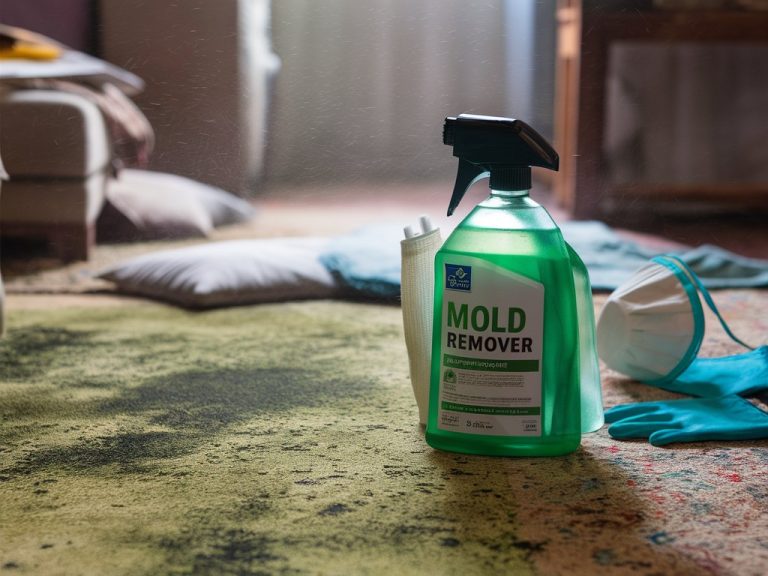
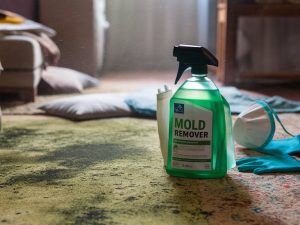
- Mold and mildew growth – Moisture trapped in fibers encourages fungal growth, leading to a musty smell and potential health risks.
- Color bleeding – Dyes in rugs, especially natural ones, may not be water-resistant and can run, ruining the rug’s design.
- Fiber weakening and shrinkage – Wool, cotton, and silk fibers weaken when wet and can shrink if dried improperly.
- Foul odors and bacteria buildup – Standing water breeds bacteria, which causes persistent smells and can be hazardous to health.
If left untreated, water damage can become permanent. That’s why immediate action is crucial to restore your rug.
Step-by-Step Guide to Restoring a Water-Damaged Rug
Step 1: Remove Excess Water Immediately
The first and most important step is getting rid of as much water as possible.
- Blot with towels – Use clean, absorbent towels to press down on the rug and soak up excess moisture.
- Use a wet-dry vacuum – A shop vacuum is highly effective for pulling water from deep within the fibers.
- Lift the rug off the floor – If the rug is sitting on a wet surface, elevate it on a drying rack, furniture, or hang it outdoors to improve airflow.
Pro Tip: If the rug was soaked in contaminated water (such as floodwater or sewage), stop here and call a professional cleaner. Contaminated water contains harmful bacteria that require specialized treatment.
Step 2: Dry the Rug Completely
Drying the rug thoroughly is essential to preventing mold and fiber damage.
Best Drying Methods:
- Air Dry Outdoors – The best option is to hang the rug outside in direct sunlight, as UV rays naturally kill bacteria and speed up drying.
- Use Fans and Dehumidifiers – If outdoor drying isn’t possible, position fans around the rug and place a dehumidifier in the room to remove moisture from the air.
- Raise the Rug Off the Floor – Avoid drying the rug on a flat surface, as this traps moisture underneath and encourages mold growth.
- Flip the Rug – Once one side feels dry, flip it over to ensure the entire rug dries evenly.
Avoid using high heat (like a hairdryer or heater)—excessive heat can shrink and weaken the fibers.
Step 3: Deep Clean and Sanitize
Once your rug is dry, a deep cleaning helps remove lingering bacteria, odors, and stains caused by water exposure.
DIY Rug Cleaning Steps:
- Vacuum thoroughly – Use a high-powered vacuum to remove dirt, debris, and any loosened fibers.
- Spot treat stains – Use a mixture of white vinegar and water (1:3 ratio) to gently blot stains and neutralize odors.
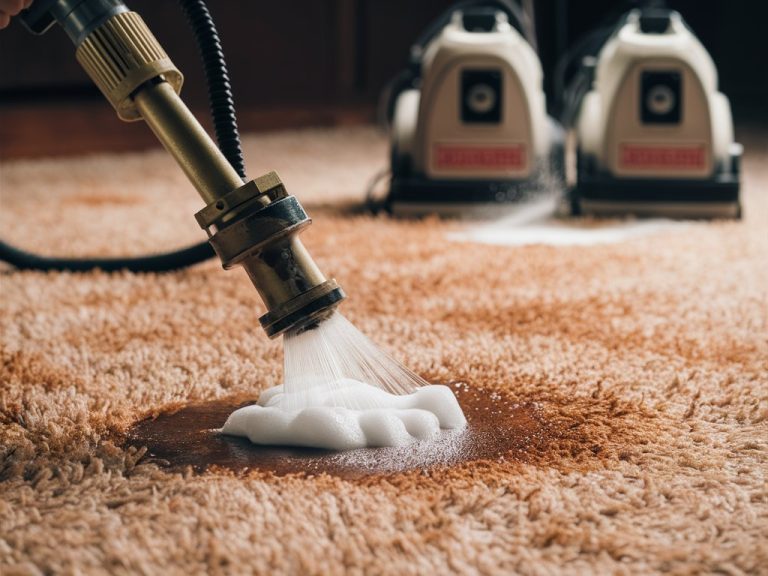
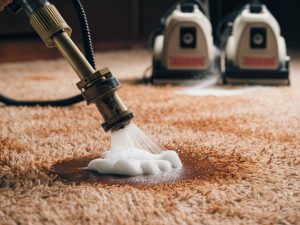
- Shampoo the rug – Use a mild detergent or a carpet shampoo, working it into the fibers with a soft-bristled brush.
- Rinse with clean water – Use a damp cloth to remove any soap residue, which can attract dirt if left behind.
- Apply an enzyme cleaner – For lingering smells, especially from bacteria or mildew, an enzyme-based cleaner can break down odor-causing compounds.
Warning: Be cautious with wool, silk, and antique rugs—these materials are delicate and may require professional cleaning.
Step 4: Prevent Mold, Mildew, and Odors
Even after drying, moisture can linger in rug fibers and padding, creating a breeding ground for mold.
How to Prevent Mold Growth:
- Sprinkle baking soda over the rug before vacuuming to absorb excess moisture.
- Store the rug in a dry, well-ventilated area to prevent future moisture buildup.
- Use a moisture-resistant rug pad underneath to protect it from humidity and spills.
- Regularly air out the rug by placing it in direct sunlight every few months.
Step 5: Check for Long-Term Damage
Once your rug is completely dry and clean, inspect it for lingering signs of damage.
- Fiber stiffness or brittleness? – This indicates permanent fiber weakening and might require conditioning treatments.
- Discoloration or faded spots? – Some water damage can cause permanent dye fading, which may need professional color restoration.
- Persistent odors or stains? – If bad smells remain despite deep cleaning, mold may still be present, and a professional treatment may be necessary.
If your rug shows severe damage, consider calling a rug restoration specialist for an expert assessment.
When to Call a Professional Rug Cleaner
DIY methods work for most cases of water damage, but some situations require expert help.
Call a professional if:
Your rug was soaked in contaminated water (floods, sewage, etc.).
You see black or green mold spots forming.
The rug is antique, handmade, or made of delicate materials like silk or wool.
The damage is extensive, with severe color bleeding or shrinkage.
Professional rug cleaners use specialized drying and sanitization methods that can restore rugs safely without causing further damage.
How to Prevent Future Water Damage
Keeping your rug safe from future water damage is all about preventive care.
- Use waterproof rug pads to protect from spills and moisture from the floor.
- Keep rugs away from high-risk areas like bathrooms, kitchens, and entryways prone to leaks.
- Regularly check plumbing to prevent pipe leaks that could damage rugs.
- If you live in a flood-prone area, roll up and store rugs before storms to prevent water damage.
Taking these small steps can save you from costly rug repairs or replacements in the future.
Final Thoughts
A water-damaged rug doesn’t have to be a lost cause. Quick action and proper restoration techniques can help bring it back to life. The key steps to remember:
Remove excess water immediately
Dry the rug completely using air and fans
Deep clean and disinfect to remove bacteria and odors
Prevent mold growth with proper ventilation and moisture control
Assess for damage and seek professional help if needed
By following these steps, you can restore your rug to its original beauty and prevent long-term issues.
Do you need specific advice on a certain type of rug (wool, synthetic, antique)? Let me know—I’d be happy to help!